
How Coffee Affects Your Skin

Mornings usually begin with a hesitant awaking from a slumber among fluffy pillows and sheets, a light stretch to alert your muscles, and a hot cup of coffee to kick start your day. Coffee is the Coffee and Skin Careeasiest preservative of energy and many people rely on its effects for productivity. But what is doing to your skin? Does it have any effect at all? Well, coffee has been a subject of study for quite sometime, particular with respect to skin cancer. Specifically, caffeine has been shown to prevent ultraviolet radiation-induced carcinogenesis and prevent the growth of melanoma cells.

By definition, melanoma is a malignant tumor that starts in melanocytes, which are cells responsible for making melanin. When melanocytes start behaving abnormally it can lead to cancer. For example, the anomalistic moles have a greater probability of developing melanoma.

In a 2015 study conducted by Shaowei Wu et al., caffeine intake and coffee consumption were assessed to gage the risk factors of cutaneous malignant melanoma. Researchers tested participants’ health, medical records, and dietary exposure by obtaining medical records to track medical history and food-frequency questionnaires respectively. Following the four-year assessment, Wu et al., found that “higher caffeine intake and caffeinated coffee consumption was associated with a lower risk of cutaneous malignant melanoma”. On the other hand, there was no association found between consumption of decaffeinated coffee and risk of melanoma. Additionally, the inverse association with caffeine intake and caffeinated coffee consumption was more apparent in women than in men. The researchers note that these results are consistent with others. Caffeine is capable of disposing of sunburn cells by enhancing “UV-induced apoptosis”. Further studies have also shown that the administration of caffeine could contribute significantly to the removal of DNA-damaged cells.

Based on this research, it is fair to conclude that coffee or caffeine is not a terrible start to your day or skin, however it is limited by research and pre-existing medical conditions.
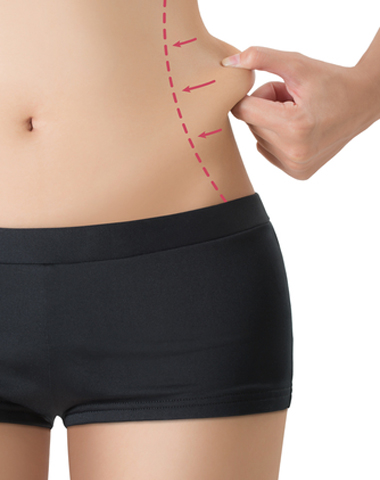
 

Liposuction as a functional and therapeutic remedy

Liposuction is perhaps the most common cosmetic surgical procedure on a global level. And while many people rely on it for body contouring further research has focused on the functional and Edmonton Liposuctiontherapeutic advantages of the surgery. As a general background, entails the aspiration of adipose cells through small incisions. “The procedure preserves neurovascular structures while maintaining fluid balance and minimizing patient discomfort”.  In evaluation of a 2015 research published in Annals of Plastic Surgery, we will look at some of the more functional and therapeutic outcomes of liposuction.

Obesity and Lower Limb Arthritis

Dr. Bishara Atiyeh Et. Al., point out in the above noted article, that while liposuction is not recommended for obese patients, on the other hand, there are instances where liposuction serves as functional relief of “incapacitating symptoms”. Due to the risk that obesity poses for osteoarthritis and tears that derive from joint loading or infrequent physical activity, liposuction can inhibit these potential risk factors. Liposuction functions as a weight loss tool where losing weight is beneficial for improving overall health, quality of living and reduced risk of symptomatic lower limb osteoarthritis. According to Dr. Atiyeh, “acute weight loss of 10% of body weight by liposuction in an obese dog with severe bilateral hip osteoarthritis has resulted in rapid improvement of symptoms postoperatively”.

 Lipoma

Lipoma is a growth of fat cells in a thin, fibrous capsule commonly found below the skin in areas such as the neck, upper thighs, torso and armpits. They are noncancerous soft tissue growth and can vary in size ranging from small lesions to large tumors.  While the lesions are usually removed for cosmetic reasons, there are instances in which liposuction has been described in the treatment of some forms of noninfiltrating angiolipomas. Additionally, Dr. Atiyeh explains that reports have shown that deflation and shrinkage of relatively large adrenal myelolipomas with retroperitoneal laparoscopic liposuction can make laparoscopic en bloc tumor resection safer and easier without affecting its pathological diagnosis.

While liposuction continuously thrives as a cosmetic surgical procedure, research is transforming the way in which surgeons and patients are thinking about the procedure. As the two scenarios above suggest, liposuction is becoming more and more life changing from a risk prevention perspective.

Soothing Itchy Skin

Everyone loves a good moment of productivity, especially after a series of unwanted interruptions. Unfortunately, when you have itchy skin the interruptions never stop. Itchy skin has a broad itchy-skin-edmontonspectrum of causes.  In some instances, it can be attributed to bites, stings, or dry skin and in others, it can derive from a series of skin conditions such as dermatitis or eczema. In the earlier stages of itching it is usually a challenge to pinpoint a definitive cause for the discomfort. For these moments, we have compiled a list of liquid remedies that aim to bring effective relief. However, in cases where itchy skin continues overtime, it is best to consult a dermatologist immediately as there is a risk that it can be serious.

Water

Water is a universal remedy and this remains true when it comes to itchy skin. Cool water functions as a soothing relief for itchy irritable skin. If you are able to, simply run cool water on the respective part of your body for as long as necessary. If you are in a more confined space, at work example, rub your skin with an ice cube or use an icepack to minimize the discomfort.

Apple Cider Vinegar

While the smell might not be the most appealing, apple cider vinegar contains anti-itching, anti-bacterial and anti-septic properties that will assist in alleviating your itch. Add two to three cups of apple cider vinegar to your bath and soak in it for 20 to 30 minutes. Simply pat dry and moisturize. You may have to repeat this daily for a few days to completely rid yourself of the itch. Again, if you’re in a more confined environment simply dab a generous amount of apple cider vinegar on a cotton ball apply it to the affected area for 30 minutes then rinse with lukewarm water. You can use a little bit of tape or a Band-Aid to secure the cotton ball to your skin.

Lemon Juice

Lemon juice is a common resolution for itchy skin. Its citric and acetic acids contain anti-inflammatory, and antiseptic properties that contribute to itch relief.  Squeeze one to two lemons into a cup and apply it to the affected area using a cotton ball. When it dries (on its own) rinse with lukewarm water. Repeat this method a few times to ensure relief.


Five steps to Keep Your Skin Naturally Glowing

Many individuals crave glowing skin and why shouldn’t they? There’s nothing like standing out with healthy looking skin that glows. Some people try and remedy this desire for a noticeable glowNatural Skin Care Edmonton with makeup tricks and cosmetic surgery. While this method may work for some, others intend for a natural glow. We’re sharing our five natural glow tips to give your skin that extra boost. If you can commit to these daily routines and be consistent, you can count on a visible difference.

  1. Fiber-rich diet

A lot of emphasis is placed on diet and nutritional habits when considering skin care. That’s because healthy skin often begins as an inside job. If you’re healthy on the inside, it will eventually reflect externally. For naturally glowing skin, select natural protein and fiber-filled foods such as nuts, fish, broccoli, beet, brown rice, and quinoa.  Fiber contributes to successful digestion and where digestion is ineffective those impurities affect the skin. If you are consistent with fiber-rich foods, you will make a solid contribution to your skin’s glow.

  1. Physical Activity

Exercise increases and contributes to the healthy flow of oxygen to your skin cells. Exercising is one of the best ways to cleanse the system from inside out. Physical activity helps to neutralize the harmful effects of free radicals and oxidative stress, carrying away debris and waste products from the cells.

  1. Detoxification

The skin is often exposed to different toxins, which is usually evident by the presence of pimples, acne, and dullness. When you engage in daily detoxification you help to purify your organs and enhance their function. One of the easiest ways to tackle this portion of your skin glow project is to start your day with a cup of warm lemon water.

  1. Stress-free life

Your body reacts to your mind. When you stress, your skin mirrors those same emotions and appear dull, tired, and unappealing. Take time to meditate or relax throughout the day. Ensure you receive enough sleep and take a break when you feel as though you are being pulled to far. Additionally, make certain there is a visible distinction between your home life and work life to minimize increased stress levels.

  1. Hydration: drink water

Finally, drink water. Many celebrities have credited high levels of water consumption to their skin’s natural glow. Your body will always need water, feed it.

Protecting Your Skin During the Winter

It is no secret that the climate, temperature, and atmosphere have an impact on your skin. While summer is your opportunity to bare it all – with sunscreen, of course – winter is the season of coveringWinter Skin Care Edmonton up. At Rao Dermatology, we want you to cover up with a purpose; allow your skin to get its best care while in hibernation. As such, we’ve combined a list of protective techniques to ensure that when spring rolls back around, your skin’s glow will be noticeable and healthy.
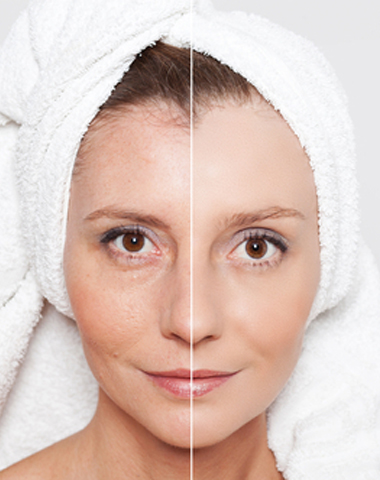
  1. Speak with your dermatologist

One of the first, and perhaps most impactful, things you can do for your skin as the dryness of winter embarks, is to book an appointment with your dermatologist. Why? Far too often you ‘treat’ your skin without an understanding of the exact care it needs. Your dermatologist can assess your skin type and inform you on the correct products & regimens that will prove beneficial. For example, if you have oily skin and you apply products that are for individuals with dry skin, you will be disappointed with the outcome of your winter application.

  1. Hydrate

Water consumption typically decreases during winter because of the temperature drop in our weather. The sun is not necessarily beating down on you to trigger your thirst. Try to be intentional about consuming your eight glasses of water daily. Your skin’s hydration is equally important during the winter. Hot drinks may warm your bones, but water will sooth your skin and overall health.

  1. Test the air quality in your home

You’re ready to turn up the heat in your home and crank the fireplace to keep warm. What about fresh air? If you need to maintain moisture in the air, invest in a humidifier. Place the unit in a central location or purchase small units and distribute them evenly around your home to prevent your skin from drying out.

  1. Moisturize

We cannot emphasize enough how crucial it is to moisturize. Don’t limit your moisturizing as a home activity. Carry lotion in your bag; keep one moisturizer at work and one in the car. Winter easily sucks the life out of your skin, so you’ll have to be responsible for putting putting life back into it. Exfoliate regularly and use natural oils such as coconut, shea butter, and avocado to keep your skin moist and refreshed.


Factors that Contribute to Premature Aging and Wrinkles

Let’s face it: The first sign of aging is usually accompanied by panic – especially when it is premature. There are a myriad of factors that can impact aging – some which can be controlled. If you’dAnti Wrinkles Edmonton like to reduce the risk of premature aging, aim to eliminate the following risk factors.
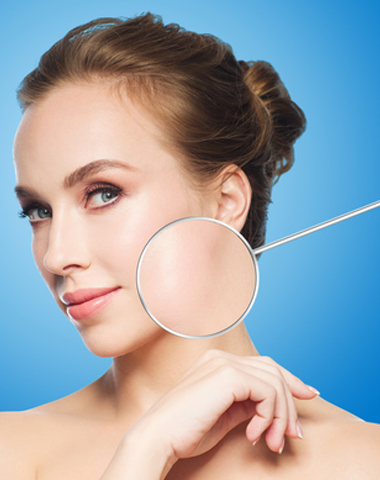
Stress

If you worry about getting older, your mind can allow that very thought to materialize. Additionally, any form of stress is a recipe for aging. Fill your mind with positive thoughts; practice self-love & care daily. If you maintain an attitude of optimism and a genuine love for the skin you’re in, your skin will react positively to that.

Smoking, drinking, and an unhealthy diet

A glass of wine here and a cigar there are hardly damaging to your skin. However, if you are a regular smoker and drinker, you can expect to add a few years to your age in appearance. Additionally, an unhealthy diet will slow your organs and contribute to sluggish behaviour. These factors, both individually and together, are detrimental to premature aging.

Staying out late

The nightclubs may be where the party is at, but it’s also where aging festers. The later and more frequently you stay out late, the more likely it is that your skin becomes thin. Because of this, wrinkles will develop. Excessive tanning and exposure to the sun also have the same effect.

Heredity

It is worth mentioning that where the probability for wrinkles is much greater genetically, it is still necessary to be particularly intentional about avoiding some of the aforementioned factors.

If you notice signs of premature aging, consult with one of our dermatologists for treatment.

Understanding the Procedure of ThermiRF

Dermatologists frequently look to advanced technology to revolutionize skin care.  One of the leading developments that is expanding and yielding noteworthy results is ThermiRF.  Approved byThermiRF Edmonton the Food and Drug Administration in 2013, 20ThermiRF is a radioactive frequency that implements a cannula “to target the dermal and subdermal planes and enables more precise dual monitoring of the external and internal tissue temperature” (Pritzker and Robinson) to tighten the skin and reduce wrinkles. Typically, there are five procedures; namely, Thermitight, Thermismooth, ThermiRase, ThermiVA, and ThermiDry. Each treatment has their respective differences. While ThermiRF is popular for its minimal downtime, insignificant discomfort, and minimal risk of injury and results, it is the procedure itself that intrigues clients.
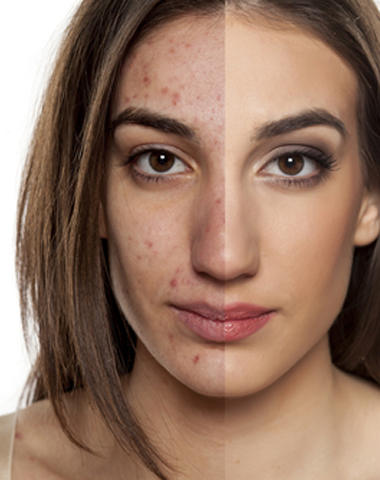
How does it work?

In a 2014 article regarding noninvasive & minimally invasive skin tightening methods published by medical doctors, Rachel Pritzker and Deanne Robinson, doctors take a closer look at, and break down, the procedural aspect of ThermiRF. Notwithstanding all medical background checks and initial consultations with a dermatologist, ThermiRF is initiated with markings on the treatment zone. Secondly, a preheated tumescent solution is inserted at “small entrance sites at the apex of each treatment zone.” Depending on the surface area, approximately 60cc to 80cc of solution is utilized for the neck, a lower volume than the amount typically required in traditional tumescent liposuction. A treatment probe about 10 cm long, with a pre-determined temperature, is cautiously applied to the treatment zone “until distribution of the desired heat is visible on the real-time image displayed from the FLIR camera”.  Treatment time for each respective zone ranges between 4 and 6 minutes. Although results vary from patient to patient, treatment is, on average, visible in 1 to 3 weeks. Doctors emphasize that a crucial part of the procedure is maintaining temperature. Collagen tightening denaturation requires a threshold temperature of 60 degrees Celsius. As a result, doctors monitor the FLIR camera to ensure that skin temperature is below 42 degrees Celsius.

The procedure is more simplistic than it may appear. Individuals continue to rely on ThermiRF because the results are rewarding. For more information on obtaining ThermiRF treatment, call our office and book your consultation.

Natural Remedies for Treating Acne

Life is constant. You make time for the moments you want to hold on to, such as time for work, time for laughter, and time for love. The one thing that never has a spot on your calendar, butacne teatment edmonton never fails to show up, is acne. There is simply no time for that!  Let’s face it: Acne is an inconvenience. Fortunately, you can conveniently get rid of it using natural remedies. Keep in mind that everyone’s skin is different and while these remedies may yield results for some, others may require further dermatological advice. What occurs on the outside of your skin is quite often a reflection of what’s going on on the inside. All individuals can benefit from adopting a healthy diet and lifestyle.
Cleansing with honey

Combine 1 tablespoon of melted coconut oil, 3 tablespoons of pure honey, 1 tablespoon of apple cider vinegar, 20 drops of melaleuca essential oil, and 2 capsules of live probiotics in a small bowl. Mix the ingredients together, pour into a small bottle, and store it in a warm place. Use this mixture to wash your face once daily. The formula kills acne-causing bacteria and unclogs impurities that are suffocating your pores.

Spot treatment using tea tree oil and coconut oil

Mix 4 to 8 drops of tea tree oil with 1 teaspoon of coconut oil and dab lightly onto problem areas. Ensure to use a carrier oil as well as tea tree oil, as tea tree oil alone might be too severe to apply directly to the skin.

Exfoliate

Pair 2 tablespoons of ground oatmeal, sea salt, or brown sugar with 1 to 2 tablespoons of one of these bases: coconut oil, kefir, or honey. Rub this mixture into your skin in a circular motion. Once the desired area is covered, remove the mixture with a damp cloth and rinse using lukewarm water. The hard ingredients work to remove dead skin and unclog pores while the bases fight bacteria and fungi.

Eat well; drink well

Finally, make healthy diet choices and remain hydrated. Your skin needs to breathe and its health thrives from the inside out. This is important because while you are doing all of the right things on the outside, neglecting internal care may have a significant impact on your overall results.

Treating Red Spots

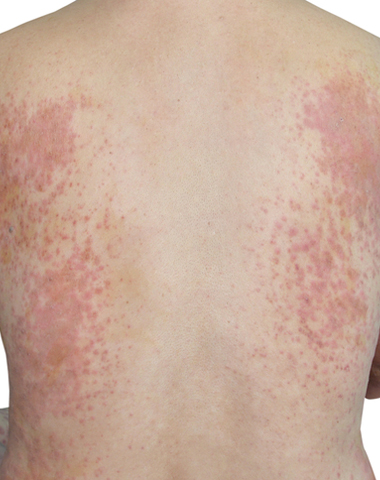
When red spots on your skin can shake the confidence of the most secure individual. What can further frustrate those pesky little spots is the lack of sufficient treatment or the inability to get ridRed Spot Treatment Edmonton of them. At Rao Derm, we want to keep your anxiety to a minimum and your confidence, optimal. As a result, we have compiled a small list of simple solutions that can rid your skin of red spots.
Face Cleansing

Your face-cleansing procedure makes a significant contribution to the population and removal of red spots. In other words, if you are not actively engaging in a cleansing technique that promotes skin health, you are increases the chances of red spots and blemishes on your face. Additionally, if you practice effective cleansing methods, existing red spots are more likely to disappear. Dermatologists recommend using a make-up remover first, followed by a cleanser that is complimentary to your skin type and particularly tackles dirt.

Apply Spot Treatment

There are a myriad of spot treatments that are created with the intention to target red spots and alleviate blemishes on your skin. It is crucial to speak with your dermatologist to gain incite on certain ingredients and formulas that are conducive to your skin.  We recommend Skinceuticals’ Blemish and Age Defense. This oil-free serum combines dioic acid with an optimal alpha- and beta-hydroxy acid formulation to reduce the formation of acne and clogged pores, while improving the appearance of fine lines, wrinkles, and uneven skin tone. It is particularly beneficial for acne-prone and combination skin types.  While we recommend this product to combat your red spots, your dermatologist can advise on the best treatment based on the existing nature of your skin.

Oil-free moisturizer

Your skin thrives on hydration. An oil-free moisturizer is perfect for defending against red spots. Skinceuticals phyto-corrective gel contains yaluronic acid paired with cucumber, thyme, mulberry and other botanical ingredient, which simultaneously minimizes discolouration, promotes, clear complexion, and sooths and calms the skin. This combination makes the product an ideal moisturizer for sensitive skin.

If you invest in these three procedural techniques on a daily basis, your red spots are destined for disappearance and your skin’s overall health will approve.  Try something new; get rid of that old and wavering confidence and trade it for a spot-free skin you’ll always love and be proud of.

Life After Liposuction

Liposuction is a reliable procedure for individuals struggling with unwanted fat and problem areas that they have tirelessly been insecure about.  In fact, it has easily become one of the mostLiposuction Edmonton common cosmetic surgery procedures among women. Following surgery, the primary concern for patients’ is whether or not the fat will come back.  This question is certainly warranted. When you’ve invested in a procedure you want to ensure that the results have longevity.

A research conducted at the University of Colorado tackled the same question focusing their research primarily on two main hypotheses: whether fat returned after it was removed and if it did, when it would materialize. Using a sample size of 32 non-obese healthy females, the researchers randomly assigned them to one of two groups, namely, women who underwent “small-volume liposuction” and a control group who didn’t have liposuction at all. The subjects were weighed and measured prior to surgery, 6 weeks post-op, 6 months post-op, and finally one year after surgery. The results revealed that after 6 weeks, body fat for liposuction patients decreased 2% and only 0.28% in the control group. At six and 12 months however, the fat reappeared in the abdominal area (but not in the thighs) and the two groups were closer together than at the six-week mark.

One of the doctors explains the finding by suggesting that the if you try and lose weight the body will try and defend that by gaining it back. Although the women who had surgery in the study were happy with the results despite fat returning, this study shows what doctors perhaps warn patients about prior to surgery, namely, that liposuction is not a weight loss procedure. If you want to see results and promote healthy living, it is necessary to exercise and make healthy diet choices so that your body and work in conjunction with surgery.

In conclusion, fat may return following liposuction, but if you want your body to defend against it, you must engage in an active lifestyle that combines daily exercise, a balanced and healthy diet, rest and consistency.