
Acne is widely accepted as a normal part of skin care discourse. As a result, when those pesky little spots appear on the surface of the skin, it is easy to dismiss their existence with a simple, “It’s just acne” attitude. The reality is, acne is a  lot more than that. Specifically, the location of acne on your body can function as a telltale sign of specific health issues. The following acne guide will help you extract a lot more information about your skin and its health.
Recent research reported on provdr.com by Nastasia Delmedico revealed the following findings:
Lower half of your body
Acne that appears on the lower half of your body, namely your legs, thighs, or around the buttocks, can be a result of an internal or external problem. Internally, the acne may be related to an issue in your diet. It might be difficult to pinpoint exactly what the issue is; therefore, researchers suggest experimentation. For example, try adding more water to your diet or consuming less sugar, both in its natural and processed forms. Externally, acne on the lower half of your body can also suggest a lack of air. In other words, the fabrics you wear may inhibit circulation. Try wearing breathable clothing to avoid trapping heat and moisture that is likely to promote breakouts.
Jawline and neck
While breakouts in this area are a little more common there are two potential causes of acne on the jawline and neck. Specifically, it may be a result of “overactive adrenal glands” related to your hormones or it can be a result of a high-sugar diet. Limit and monitor your sugar consumption to avoid these types of breakouts.
Shoulders
When acne materializes along the shoulders, research suggests it is a sign of stress. The easiest way to combat this type of acne is to take some time to rest, relax, and get away for a little while.
Chest
Perhaps more common among women than men, chest acne may be a sign of poor diet and digestive issues or it may be related to the consumption of excessive spicy foods or cold beverages. The solution here seems quiet apparent; cut back.
Stomach
Less popular is acne on the stomach. According to research, acne on the stomach might be a reflection of dangerous blood sugar levels. If acne is on your stomach, you should see a dermatologist or your family physician immediately.
Back
Finally, nicknamed “bacne”, acne on the back is not only the most common form, but can also be caused by a series of different factors. Some of these may include stress, issues with your digestive system, or challenges with your nervous system, among others. Should acne appear on your back, contact your family doctor immediately to obtain a professional diagnosis.
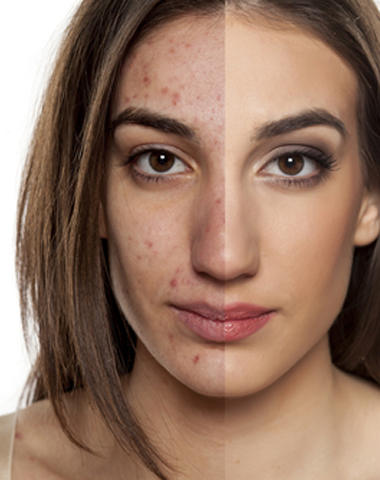 never fails to show up, is acne. There is simply no time for that! Let’s face it: Acne is an inconvenience. Fortunately, you can conveniently get rid of it using natural remedies. Keep in mind that everyone’s skin is different and while these remedies may yield results for some, others may require further dermatological advice. What occurs on the outside of your skin is quite often a reflection of what’s going on on the inside. All individuals can benefit from adopting a healthy diet and lifestyle.
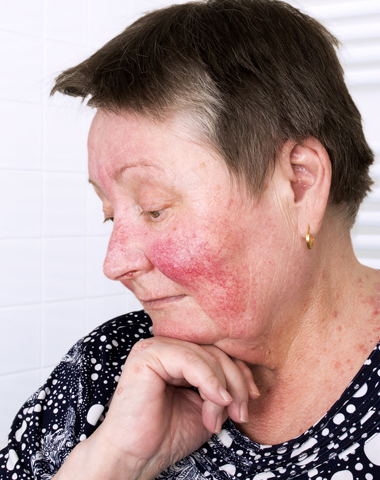 misdiagnosis of some of the most common skin conditions. Some rashes are minor, but others are quite telling and require further medical attention.
  skin isn’t on fire or isn’t severely irritable, you’re okay. While these instances are causes for concern, the need for a dermatologist span far beyond matters of severity.
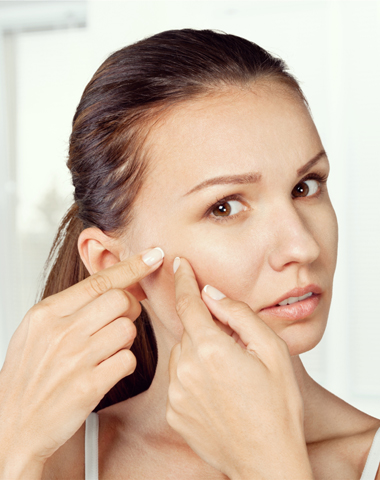 appearance in a short time frame. You assume that the sooner you can deflate the attention grabber on your face, the sooner it will go away. The truth is, you should always aim to refrain from making any contact with it at all.
