
Turn Back the Clock With the Power of Vitamin C

If you need another reason to enjoy your orange juice at breakfast, consider the amazing powers of vitamin C to help heal and protect your skin. This multi-tasking essential vitamin manages to fight nearly every sign of aging, from fineVitamine C lines and wrinkles to age spots and dryness. Scientists at the Linus Pauling Institute, at Oregon State University, report numerous dermatological benefits of vitamin C, especially for aging. You’ll see an improvement in skin tone, texture, and brightness within just a few weeks of adding vitamin C to your diet and skincare routine.

The Benefits of Vitamin C

Vitamin C, or ascorbic acid, is an essential nutrient for all human life, necessary for growth and healing throughout the body, including your skin. The first super power of vitamin C is that it stimulates the synthesis of collagen, the structural protein that gives skin its youthful, glowing appearance. Although many products claim to externally provide collagen, vitamin C is actually proven to boost its production through natural means. More collagen production will lead to plumper skin, less visible lines, and slower skin aging.

Vitamin C also has powerful antioxidant properties, which protect skin against the damage done by destructive free radicals. This includes photodamage from ultraviolet radiation, which is the cause of nearly every visible sign of aging. This amazing vitamin has been proven to diminish hyperpigmentaion and actively prevent the formation of wrinkles. Studies also show that vitamin C increases the speed of wound healing, softens skin, and fights the effects of air pollution. Without a doubt, vitamin C is one of the most useful ingredients in an anti-aging skincare regimen.

How To Use Vitamin C

You can get many of the benefits of vitamin the old-fashioned way, by eating foods that contain it. Foods with high levels of vitamin C include oranges, berries, kiwis, bell peppers, and tomatoes. This is a tasty and healthy way to bring the power of vitamin C to your whole body, and many studies show a positive effect of dietary ascorbic acid intake alone on skin tone and healing.

That said, if you’re looking for fast results, a tropical vitamin C serum or cream is a better choice. This way,  ingredients are directly applied to the cells they are protecting, giving faster and more intense results. Since vitamin C can lose potency when exposed to light, make sure to use a product that comes in a dark or opaque container. Follow the directions on on the product’s label, but be sure to apply the topical vitamin C directly onto your skin, before putting on any moisturizer, so it can be better absorbed. Keep in mind that vitamin C counteracts photodamage, but it does not block the UV rays, so you should still wear a full-spectrum sunscreen.

What to Expect

Changing your diet to include more vitamin C can have a very quick impact on overall health, including your skin’s appearance. If you’re also using a high-quality vitamin C serum, you should start to see results on skin tone, moisture, and softness within a couple weeks. Age spots will be visibly lighter and wrinkles less evident after six weeks. Since it’s not a spot treatment, you don’t risk the dreaded “halo effect” caused by some skin lighteners. Instead, your skin will naturally exfoliate, while the vitamin C prevents further injury to the skin cells, so that the skin tone evens out. In the future, you will see fewer lines and wrinkles forming, less sun damage, and a smoother, softer skin texture.

While it can’t stop the aging process entirely, vitamin C can definitely slow it down, limiting the harm that life does to your skin every day. Start by eating more fruits and vegetables with a high vitamin content, and consider adding a vitamin C serum or cream to your skincare routine for faster results. Firmer, brighter, and more youthful skin is just a few weeks away, thanks to this all-natural, astonishing ingredient.

Surprising Health Benefits of Sunlight Exposure

Your quickest pick-me-up and health booster may not always come from a bottle. If you live in the part of the world where sunlight is available year round, you are already getting it for free. Aside from enabling people to generate their Sun and your skinown vitamin D, here are daytime exposure’s leading health benefits, some of which you may not have heard of yet.
Lowers Blood Pressure Level

Each year, 30 percent of deaths worldwide can be attributed to cardiovascular disease, which is usually linked to high blood pressure. The good news is that blood pressure may be reduced and risk for heart disease may be lowered when skin is exposed to sunlight, according to researchers from the University of Southampton and University of Edinburgh. In a study published in the Journal of Investigative Dermatology, it is shown that when nitric oxide (NO) and its byproducts–which are present in human skin and are known to be associated with regulating blood pressure–are exposed to the sun, some of the NO on the skin gets into the circulatory system, thus effectively dilating the blood vessels and lowering blood pressure. And even as the blood pressure is significantly reduced through NO’s impact on the blood vessels, vitamin D levels generated via sun exposure are not changed.

Helps the Immune System

GeorgetownUniversityMedicalCenter researchers found out that sunlight plays an important role in the human immune system. In a paper entitled “Intrinsic Photosensitivity Enhances Motility of T Lymphocytes” and published in a 2016 issue of the journal Scientific Reports, it is demonstrated that sunlight invigorates T cells to fight numerous infections. Sun rays contain low levels of high-frequency blue light, which can penetrate deep into the dermis, the skin’s second layer. This then energizes and speeds up the movement of the body’s T cells, thereby directly impacting how fast the body responds to the intrusion of pathogens and other infectious elements. This is probably why many people become more susceptible to common illnesses like the common colds during inclement weather.

Boosts Mood

People, who have to endure long winters in northern climates, can lift their mood with daily intake of synthetic vitamin D, according to researchers in the Loyola University Chicago Marcella Niehoff School of Nursing. Meanwhile, bright-light therapy in the morning remains the treatment of choice for sufferers of seasonal depression (SAD). Some bipolar depression patients even benefit from bright-light therapy to ease their symptoms, according to researchers from the University of Pittsburgh School of Medicine’s Western Psychiatric Institute and Clinic.

So, next time you need a fast daytime pick-me-up or stave off a looming panic attack, just walk around the block, where you can breathe in fresh air and savor the energizing sunlight. Just keep in mind that excessive exposure to sunlight is never the ultimate goal because doing so may lead to skin cancer for some susceptible individuals.

Liposuction: The Process

Liposuction is a surgery which is designed to help trim and slim a patient’s figure.  It does this by removing excess fat from problematic fatty areas on the patient’s body.  This surgery is performed in our state of the art clinic in Liposuction EdmontonEdmonton and it is one of the most popular cosmetic surgeries of all time.
What to Expect


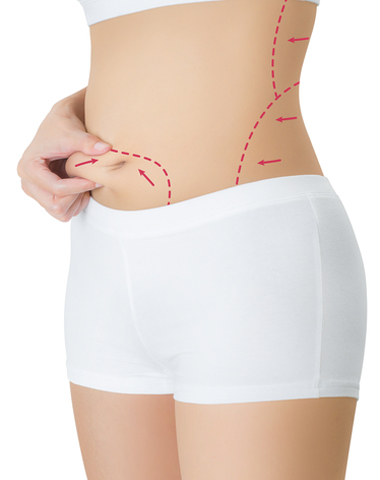
On the day of a liposuction, the patient will drive to see our liposuction specialist at the Rao Dermatology clinic where the surgery will be performed.  Upon arriving, the patient will be prepped by the surgeon and the surgical staff.  The surgeon may use a marker to draw lines on the patient’s body.  These lines will serve as guidelines during the surgery.


Our specialist may take a moment to review the surgery with the patient.  However, all of the important decisions regarding the surgery will have been made long before this moment.  Typically, a patient and surgeon will agree on exactly which areas of the patient’s body will be operated on and how much fat will be removed before the surgical date is even scheduled.


Once everything is ready, the patient will be anesthetized.  Depending on the preferences of our specialist and the patient, general or local anesthesia may be used, although local anesthesia is more common.  If the patient is feeling nervous, some sort of anti-anxiety medication or sedation can also be used.  Once the patient has been fully anesthetized, the surgery can begin.


The surgeon will begin by making small incisions around the area or areas where he or she will be operating.  Typically, a liposuction will only treat a small number of areas at a time.  Treating too many areas at once can make the surgery much more dangerous, and it can decrease a patient’s chances for aesthetically pleasing results.


When the incisions have been made, the doctor will slide a long, thin instrument called a cannula into the incisions.  A cannula is essentially a hollow needle which has been hooked up to some sort of suction device.  The cannula will be the surgeon’s way of both breaking up and removing the fat from the body.  As the surgeon moves the cannula back and forth, it disrupts the fat and suctions it away.


Liposuction surgeons must be careful to take just the right amount of fat.  Removing too little will not yield a significantly improved appearance.  Removing too much could cause unappealing dimpling.  The surgeon must also be careful not to allow the cannula to move out of the fatty tissue and into the rest of the body, as this could cause serious injury to the patient.


Once the surgeon has removed the optimal fat, the liposuction is all but over.  Typically, the surgeon will not close the incisions.  Leaving the incisions open helps to encourage drainage after the surgery, which will help to speed up the healing process.  At this point, the patient is typically moved to an observation area and allowed to recover from the anesthesia.  Once the patient is feeling well enough, he or she can be driven home.


The patient should try to rest and relax as much as possible for the first day or two after a liposuction.  Pain will most likely peak somewhere around 24 hours after the surgery, and it should gradually decrease from that point on.  Most patients are able to return to a sedentary job within just a few days after their surgery.


At Rao Dermatology our skilled surgeons will make sure you are clear on all these points and more before deciding to choose this procedure. If you have any questions please call our expert team and set up your consultation.

Bye, Bye Tattoos! – Q-Switch Laser

Regretting that cute guy or gal’s name on your arm or a simple impulsive decision that resulted in a big symbol that really means nothing to you? It’s far more common than you think. A decision that is often attached by a scare tactic ofTattoo Removal Edmonton permanence is actually not so permanent after all. At Rao Dermatology, our Q-Switch laser treatment is an effective mechanism for laser removal.
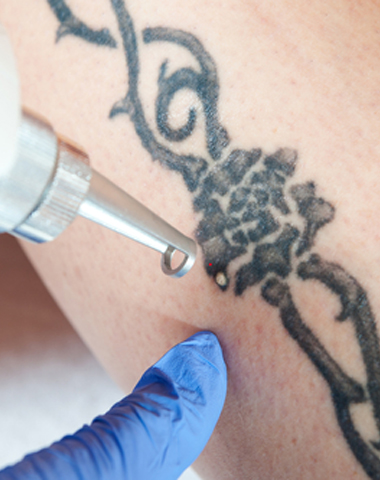
Q-Switched, also known as the Q-Switched Nd-Yag Laser is primarily used to remove, brown spots, freckles, and tattoos from the skin. The procedure includes the use of a lase beam projected onto the respective part of the skin, at a specific wavelength, which is absorbed by the colour that is intended for removal.  The treatment works differently depending on what it is that you are aiming to treat. In the instance of a tattoo removal, the laser energy breaks down the tattoo ink to remove the tattoo. In cases of pigmentation, the laser energy is absorbed by the pigments, which are then broken down into smaller essence and cleared away by the skin’s natural removal capabilities.  Still, for other matters of the skin such as rejuvenation, the laser energy is used to remove dead skin cells and dirt, leaving your skin feeling refreshed.

As far as tattoo treatments go, you can expect complete removal with a series of treatment. However, where the ink is a severe colour, in a few instances clearance can range from anywhere between 70 to 90%. The Q-Switch laser treatment is very reliable and is not painful. It might feel a little uncomfortable (like little hot pricks against your skin) but the feeling is bearable for even the most sensitive person.

One of the best features of the Q-Switch laser treatment is the downtime. Treatments take between 15 to 20 minutes depending on the size of the area and you don’t have to interrupt your day in a huge manner. A simple lunch break will suffice.

While the procedures are safe, we recommend moderation. Each treatment is 15-20 minutes and is completed once every three weeks.

If you think Q-switch laser treatment is for you, book your appointment with our dermatologist, today.

Eyelift Surgery – What do patients think?

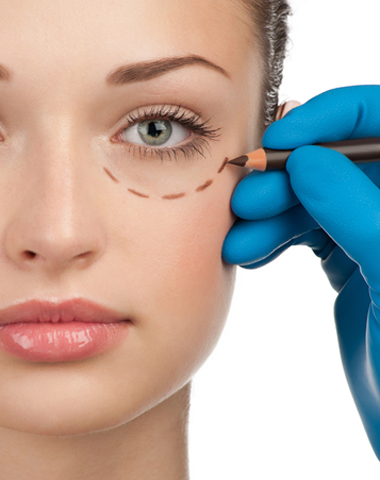
Eyelift surgery, formally known as blepharoplasty, targets sagging, droopy skin under the eyes and contributes to a more refined and smooth appearance. Whether completed on the upper or lower eyelid, the surgical procedure requiresEyelift Edmonton a series of miniscule incisions that remove fat tissue contributing to saggy eyes. Some individuals are demotivated by the nature of this minor surgery and are hesitant to take the step towards rejuvenation. Blepharoplasty is a successful surgery. However, sometimes persuasion is best served on a dish from previous patients. As such, we have combined some feedback from individuals who had eyelift surgery to help you determine if it’s the best decision for you.

Solving a Hereditary Problem

A woman, who credits her drooping as to heredity, arrived at the surgery centre at 6:30 a.m. and returned home at 10:00 a.m. On the same day she expressed, “It’s crazy how something so big and life changing can take so little time”.  Having been put under general anesthesia she admitted the worse part was getting the IV put into her arm. Following the surgery, she was in great spirits and had mild swelling, which is normal.  Her words: “Overall it is a great improvement and I hope that it only gets better!”

The Wait is Over

A patient waited seven years before committing to blepharoplasty and “not without hesitation”.  After waking up from the anesthesia, she mentioned that she could feel her eyes leaking down her face, but despite how it looked, she did not need to take the prescribed Endone as the pain was not as bad as it look, immediately after surgery. In fact, she expressed that, surprisingly, she was not in much pain at all.

Awaiting Surgery

A 51 year-old struggled with droopy eyes during her thirties. At 51, she finally decided to book a consultation. Her fear of surgery has kept her stagnant. Though she has not completed blepharoplasty as yet, she is encouraged. She states, “the more I look at before and after photos of people who have had eye lid surgery, I feel that 99% of these individuals look BETTER, and I feel it is something that I should do.”

 I love my face; I just want the bags gone

Being comfortable in your skin is so important. A patient who had bilateral lower blepharoplasty expresses, “I’m so happy with the improvement and I had a great surgeon…I want to keep my eye shape, but I just want the bags gone”. She loves the results.

Deciding whether blepharoplasty is for you can be challenging and it shouldn’t be taken lightly. Some of the patients above were hesitant. Take advantage of consultations, ask your dermatologists and surgeons as much questions as you can, and make the best decision for you.

Speedy Tips for Healthy Skin

A little goes a long way, even when you want to achieve healthy-looking skin. Keeping up with a busy schedule can be challenging. When you add skin care to the mix something is bound to getHydrated Skin lost in the sauce. At Rao Dermatology, we don’t want you to sacrifice one important thing for another and jeopardize your self-fulfillment. Instead, we want you to have it all and that includes health skin. The following quick tips will help you achieve healthy-looking skin with very little time and effort. All you need is commitment and consistency!

Hydrate

Water is crucial to every facet of your health. When you commit to drinking water, you are committing to a healthier lifestyle holistically. Why not quench your thirst with something that is multifunctional? Throw a water bottle in your purse, keep one at your desk at work, one by the kitchen sink, and even one by your bed. Challenge yourself to finish each bottle everyday. Your skin will thank you. Not only will you give your skin the opportunity to breathe, but you will also notice a clearer complexion and a brighter skin tone.

Sweat it out

A tight schedule can easily work up a sweat. Don’t fear it embrace it. Sweat is your body’s way of ridding your system of its impurities. Take the stairs instead of the elevator. Keep your coat on just a little longer when you’re inside, jog on the spot while you brainstorm ideas for your next big project. Whichever way you choose to sweat, just ensure you wash your face before and after to prevent your pores from clogging.

Hydrating Mask

Treat your skin to some TLC! Throw on a hydrating mask at least once a month and tick items off of your to-do list while you revive and rejuvenate your skin.

Natural Oils

Soothe your skin with natural oils. A pea-size amount of tea-tree oil or coconut oil can moisturize your skin without stripping it of its natural oils or contaminating it with chemical products that are not usually good for your skin.

You don’t have to do a lot to get rewarding results, at least not in skin care. A desire for healthy skin is usually the only push you need.

For more tips on healthy skin, visit Rao Dermatology, today.

The Disappearing Act: Scar Prevention

Your skin is perhaps the only canvas you aim to keep completely flawless.  It is your first impression, your armour, and your shield. As such, any damage to the skin, especially by scarring, canScar Treatment result in a huge loss of in confidence. While some scars are inevitable and necessary, others can be avoided. Understanding how to be proactive in scar care can have a significant impact on its presence and permanency.

Exposure or covered Up

It is a common misconception that when you puncture or wound your skin, keeping it uncovered and allowing it to breathe is conducive to healing. Quite the opposite is true. Keeping your wounds covered increases moisture, preventing the formation of a solid scab.  When you leave your wound open it can delay the healing process up to 50%.

 Wound cleaning

Disinfecting and cleaning a wound is critical to minimizing and preventing infections. Quite frequently, hydrogen peroxide and alcohol are recommended to cleanse the wound and protect your skin. While these agents are not particularly harmful, hydrogen peroxide destroys white blood cells that help repair the skin. Consequently it slows the healing process. One of the best ways to clean your wound is to rinse the cut with clear water. Avoid soap as well as that can be irritating. Lastly, change your bandage daily to keep the wound clean. If you do not feel comfortable with level of cleaning derived from water, it is best to see your doctor and have the wound cleaned professionally.

 Post scar care

After your wound heals, apply sunscreen to reduce the potential for discolouration.  A broad-spectrum sunscreen with SPF of 30 or higher is ideal and should be applied frequently.

Alternative methods of existing scars

Where a scar already exists, technology has allowed for alternative methods to alleviate your scars.  Lasers and surgery can transform a scar and restore your skin’s appearance. However, treatment must commence within 6 to 8 weeks after the injury to yield the best results.

Whether your scar stays or goes, be confident in your flaws as you are without them. They ultimately make you unique.

Frequently Asked Questions about Neuromodulators

A neuromodulator is possibly the most common prescribed injected medicine that targets wrinkles, frown lines, and crow’s feet among adults. Despite the popularity and frequency of the injection, Botox Faqsmany people are still uncertain about neuromodulators. As a result, we have compiled a list of the most frequently asked questions to help you decide whether a neuromodulator is for you.

How does neuromodulator treatment work?

Your dermatologist or specialist will make an injection between the brows to temporarily reduce muscle activity. The outcome is noticeably smoother and wrinkle-free skin.

Does it hurt?

Neuromodulator treatment occurs quite quickly with minimum pain. Patients report a small pinch, which is consistent with the expectation. However, in some instances the specialist will numb the respective area by applying numbing cream or ice to ease any foreseeable discomfort.

When will I see results?

The result of neuromodulator treatment may materialize within the first 24 to 48 hours of treatment and can last up to four (4) months.

Are neuromodulators only for women?

Men can certainly receive neuromodulator treatment. In fact, more and more men are turning to neuromodulators to combat frown lines and wrinkles.

At what age can I start using neuromodulators?

Doctors suggest that you be a minimum of 20 years of age in order to benefit from neuromodulators.

Are there any side effects?

Like any other treatment, there are side effects to neuromodulators. Some of these side effects include muscle stiffness, headaches, neck or back pain. Although these side effects are adverse, they can occur. It is always in your best interest to consult with your dermatologist and family physician before beginning any treatments.

How often do I need treatment?

A single neuromodulator treatment lasts up to four months and begins to wear off in the third month. As such, it is recommended that you obtain treatment every 3-6 months consistently to yield the best results.

If you have further questions about neuromodulators, call our office today and book your consultation.

Sunscreen in the Winter

When the sun starts disappearing and the weather shifts to the brittle cold and dry air, it’s easy to push your sunscreen in that little drawer until a more appropriate season materializes. The truthWinter Skin Care is, every season is appropriate for sunscreen.  Your skin needs protection all year round despite the infrequency of sunlight and we’re sharing just why.
From an atmospheric perspective, the earth is closest to the sun during the winter. As such exposure to the sun’s rays is more severe than during the winter. The sun’s rays are equally damaging in winter as it is in summer in that the UV radiation reaches deeply into the skin. Additionally, the sun reflects on snow and ice. According to the U.S. Environmental Protection Agency the snow and ice can reflect up to 80 percent of UV rays, potentially causing wrinkles and more alarmingly, skin cancer.

To protect against winter exposure experts recommend a physical sunscreen protection. Physical sunscreen contains zinc oxide or titanium dioxide, and offers a much larger coverage than the chemical generic sunscreen. It is immediately effective and approved by the Food and Drug Administration. Zinc oxide is the most praised ingredient in physical sunscreen because it protects against all UVA and UVB rays.  The product may ne a little bit messy but the coverage lasts long and the applications are less frequent.

To further protect yourself from the sun during the winter, consume foods that defend against UVA and UVB rays. Fruits and green vegetables that are high in antioxidants help fight damage from the sun.  On the other foods that cause inflammation can have an adverse effect on sun damage.

The next time you’re heading out for your ski trip, grabbing groceries, or simply walking the dog, think about your skin and protect it. Make sunscreen and sun protection a part of all the products and foods you consume to contribute to your skin’s health.

Your Alternatives to Blepharoplasty

Droopy or saggy eyelids can be problematic for even the most confident individual. Most recently, blepharoplasty has been a reliable and correctional procedure to combat weighty eyes. However, botox-4because the surgery requires minimal, local or general anesthesia and minor surgical incisions, individuals are a little hesitant and question whether the procedure is really in their best interest. Fortunately, if you decide you are not ready to commit to blepharoplasty there are alternative non-surgical treatments to minimize and eliminate the torment of saggy eyelids.

Neuromodulators

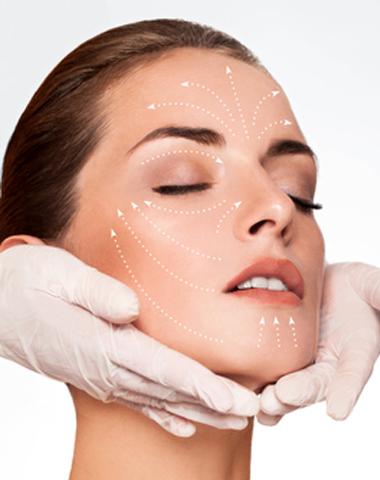
Neuromodulator treatment is a less surgically demanding procedure than blepharoplasty. Using botulinum toxin, the surgeon makes a mild injection, which temporarily paralyzes the muscles that are responsible for creating wrinkles. In instances of excessive drooping of the eyelids, the surgeon will likely inject surrounding areas of your eyes in order to create a smoother texture thereby enhancing the appearance of your eyes and ridding your skin of the wrinkles that help to create the drooping effect. Neuromodulator injections typically last for up to four months and each treatment can last from 15 to 20 minutes.

Dermal Fillers

Dermal fillers, like neuromodulator injections, however, they consist of “naturally-derived or synthetic material” that is injected into skin with the intention of plumping the respective area to alleviate folds in the skin.  Dermal fillers can be easily confused with neuromodulators, but the latter primarily focuses on injections in the forehead and works to inhibit muscle contractions whereas the former is targets plumping. Additionally, dermal fillers can last anywhere from six months to a few years depending on the type of filler. Some of those fillers on the market include Juvederm, Radiesse, and Evolence.

Laser Skin resurfacing

The purpose of Laser skin resurfacing is to stimulate the production of collagen by the application of a laser around the eyes. This procedure is ideal for droopy eyes because it replaces the loss of collagen, which is usually the source of sagging eyes in the first place.

Blepharoplasty is a successful surgical option for tackling dropping eyelids. However, if you’re hesitant to begin treatment, any of the non-surgical alternatives will be satisfactory. To try one of these non-surgical options, book your appointment today.