
Mornings usually begin with a hesitant awaking from a slumber among fluffy pillows and sheets, a light stretch to alert your muscles, and a hot cup of coffee to kick start your day. Coffee is the  easiest preservative of energy and many people rely on its effects for productivity. But what is doing to your skin? Does it have any effect at all? Well, coffee has been a subject of study for quite sometime, particular with respect to skin cancer. Specifically, caffeine has been shown to prevent ultraviolet radiation-induced carcinogenesis and prevent the growth of melanoma cells.
By definition, melanoma is a malignant tumor that starts in melanocytes, which are cells responsible for making melanin. When melanocytes start behaving abnormally it can lead to cancer. For example, the anomalistic moles have a greater probability of developing melanoma.
In a 2015 study conducted by Shaowei Wu et al., caffeine intake and coffee consumption were assessed to gage the risk factors of cutaneous malignant melanoma. Researchers tested participants’ health, medical records, and dietary exposure by obtaining medical records to track medical history and food-frequency questionnaires respectively. Following the four-year assessment, Wu et al., found that “higher caffeine intake and caffeinated coffee consumption was associated with a lower risk of cutaneous malignant melanoma”. On the other hand, there was no association found between consumption of decaffeinated coffee and risk of melanoma. Additionally, the inverse association with caffeine intake and caffeinated coffee consumption was more apparent in women than in men. The researchers note that these results are consistent with others. Caffeine is capable of disposing of sunburn cells by enhancing “UV-induced apoptosis”. Further studies have also shown that the administration of caffeine could contribute significantly to the removal of DNA-damaged cells.
Based on this research, it is fair to conclude that coffee or caffeine is not a terrible start to your day or skin, however it is limited by research and pre-existing medical conditions.
 beneficial) skin types on the label in order to optimize the effects of the product. What consumers are less aware of however, are the categories of skin conditions. While some people may identify with these categories unknowingly, there is very little awareness that these distinctions exist. We’ve listed the five skin conditions to help you become more familiar with your category.
 skin to protrude. Unfortunately, its effectiveness is distorted by misuse and misapplication. Our
  product is good enough for a child’s skin, it is likely the case that it is equally sufficient for an adult; that is the stance that a lot of mothers, women, and even some men are taking as they embark on their conscious skincare journey. We’ve kept an eye on this recent trend and found a few baby products that are doing wonders for adults.
 more common that you may want to believe, and though it may be a high-maintenance and time-consuming disposition, there are a few factors that may be contributing to your skin’s sensitivity.
 coattails it’s time to start adding a little more UMPH to those lips. By UMPH we mean committing to products and regimens that provide round-the-clock lip protection, especially when the sun is working overtime.
 Perhaps one too many! You pick something up that you think is synonymous with your skin type and suffer through mediocre results once you’ve tried it and realized it is not your true match after all. Well your ill-fated shopping trips end here. Our dermatologists at Rao Dermatology want you to become intimate with your skin; get to know what it likes and dislikes. Follow our guide below and say goodbye to your uncertainties.
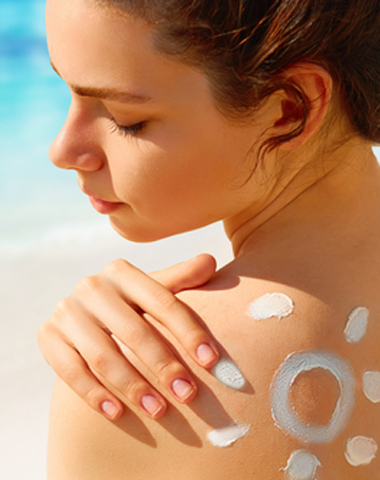 sunscreen they lather their arms, legs, and neck but leave their faces exposed. Of course the explanation usually is that the sunscreen is too sticky, smells too strong, or expressly restricts application to the face. This does not imply however, that you should continue to deny your face protection from the sun.
 have become more open and honest about booking appointments to improve and nurture their outward appearance, and rightfully so. We at Rao Dermatology have recognized this exponential growth and have welcomed it affirmatively.
 interested in getting you to buy their newest product. Others are old wives’ tales that have been repeated so long that people simply accept them as truth. Here is a look at five of the most common skin care myths that you should ignore.
